
Revolutionizing Elderly Care With Reverse Total Shoulder Arthroplasty for Proximal Humerus Fractures
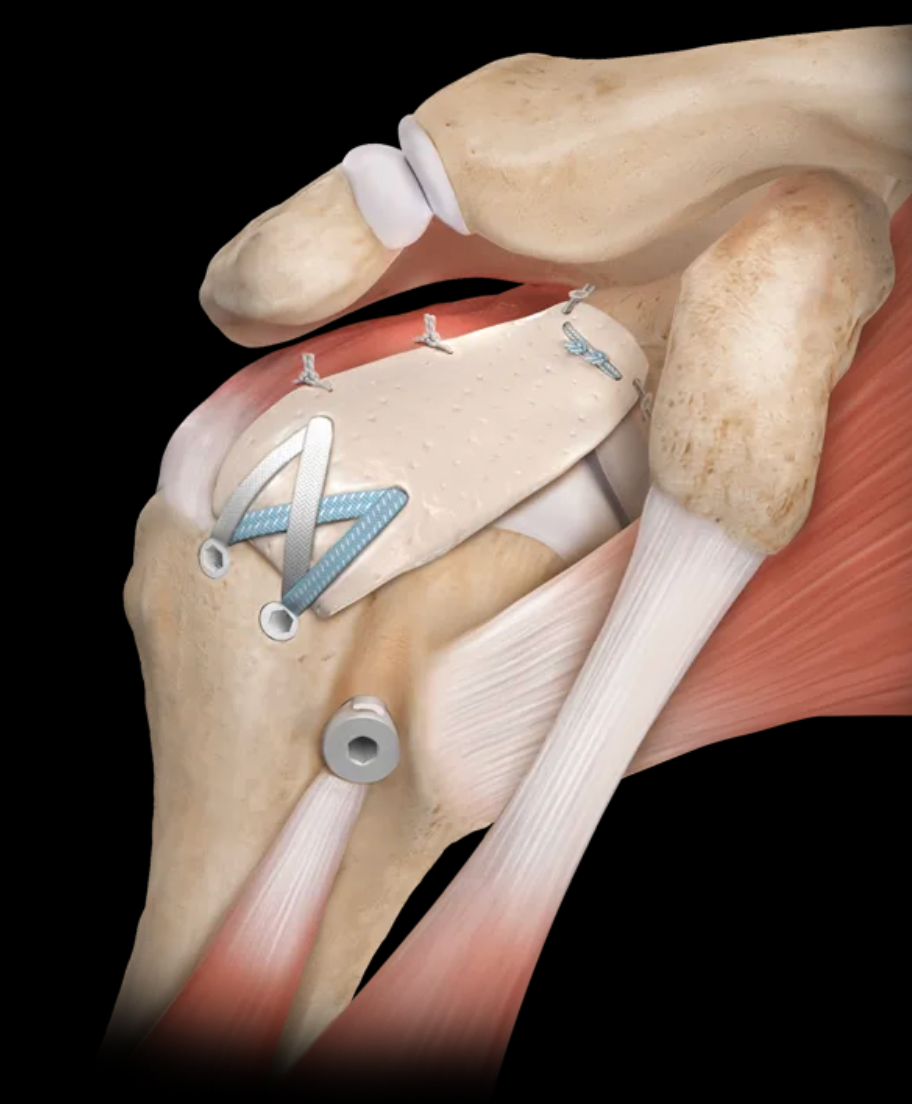
Proximal humerus fractures are a common injury in the elderly, often resulting from low-energy falls. Managing these fractures presents unique challenges due to factors like osteoporosis, comorbidities, and limited bone quality. Traditional treatment methods, including conservative management and open reduction internal fixation (ORIF), sometimes fail to restore function or lead to complications. Recently, reverse total shoulder arthroplasty (RTSA) has emerged as a promising surgical option for displaced proximal humerus fractures in older patients. This post explores the current role of RTSA in treating these fractures, supported by clinical evidence and practical insights from orthopedic surgery.

Understanding Proximal Humerus Fractures in the Elderly
Proximal humerus fractures account for approximately 5% of all fractures and are the third most common fracture type in patients over 65 years old. Osteoporosis significantly increases fracture risk, and the injury mechanism often involves a simple fall from standing height. These fractures vary in complexity, from minimally displaced to severely comminuted patterns involving multiple fragments.
The main goals of treatment include:
Pain relief
Restoration of shoulder function
Early mobilization to prevent stiffness and complications
Minimizing surgical risks in frail patients
Conservative treatment with immobilization may suffice for non-displaced fractures, but displaced fractures often require surgical intervention to restore anatomy and function.
Challenges of Traditional Surgical Approaches
Open reduction internal fixation (ORIF) has been the standard surgical treatment for displaced proximal humerus fractures. However, in elderly patients, ORIF faces several limitations:
Poor bone quality leads to fixation failure and screw cut-out
High rates of avascular necrosis of the humeral head
Prolonged immobilization and rehabilitation
Risk of nonunion or malunion
Studies report complication rates up to 30% with ORIF in this population, often resulting in poor functional outcomes and the need for revision surgery.
Why Reverse Total Shoulder Arthroplasty?
Reverse total shoulder arthroplasty was originally designed for cuff tear arthropathy but has gained traction for complex proximal humerus fractures in elderly patients. RTSA reverses the ball-and-socket anatomy of the shoulder, allowing the deltoid muscle to compensate for deficient rotator cuff function. This design offers several advantages:
Provides stable fixation even with poor bone quality
Allows early mobilization and faster recovery
Reduces risk of tuberosity nonunion impacting function
Improves pain and range of motion compared to hemiarthroplasty or ORIF
Clinical Evidence Supporting RTSA for Proximal Humerus Fractures
Multiple clinical studies have evaluated RTSA outcomes in elderly patients with displaced proximal humerus fractures.
A 2020 systematic review by Sebastia-Forcada et al. analyzed 12 studies including 643 patients over 65 years old treated with RTSA. The review found:
Mean Constant-Murley scores (shoulder function) improved from 30 preoperatively to 65 postoperatively
Low complication rates around 10%
High patient satisfaction and pain relief
Better functional outcomes compared to hemiarthroplasty and ORIF
Another prospective study by Cazeneuve and Cristofari (2019) followed 50 patients over 70 years treated with RTSA for proximal humerus fractures. At 2-year follow-up:
90% of patients regained functional range of motion
Mean American Shoulder and Elbow Surgeons (ASES) score was 75/100
Only 6% required revision surgery
These findings demonstrate RTSA’s reliability in restoring shoulder function and reducing complications in elderly fracture patients.
Surgical Considerations and Technique
Performing RTSA for proximal humerus fractures requires careful planning and technique:
Preoperative imaging to assess fracture pattern and bone quality
Preservation and repair of tuberosities when possible to improve rotation
Use of fracture-specific prostheses designed for tuberosity fixation
Secure fixation of the glenoid baseplate in osteoporotic bone
Early postoperative rehabilitation focusing on passive and active-assisted motion
Surgeons must balance achieving stable fixation with minimizing soft tissue disruption to optimize outcomes.
Rehabilitation and Functional Recovery
Rehabilitation after RTSA is critical for maximizing shoulder function:
Immobilization in a sling for 2-4 weeks to allow soft tissue healing
Gradual introduction of passive range of motion exercises
Progression to active-assisted and active exercises by 6 weeks
Strengthening exercises starting around 3 months post-op
Most patients regain functional use of the arm for daily activities within 3 to 6 months.
Limitations and Risks of RTSA
While RTSA offers many benefits, it is not without risks:
Infection and prosthetic loosening
Scapular notching due to implant design
Dislocation, especially if tuberosities fail to heal
Limited external rotation if tuberosities do not unite
Patient selection is key. RTSA is best suited for elderly patients with poor bone quality, complex fractures, and limited rotator cuff function.
Future Directions and Research
Ongoing research aims to refine RTSA techniques and implant designs to improve outcomes further. Areas of focus include:
Biomechanical studies on tuberosity fixation methods
Long-term implant survivorship in fracture cases
Comparative trials between RTSA and ORIF in different patient groups
Enhanced rehabilitation protocols tailored to elderly patients
These advances will help optimize care for this vulnerable population.
RTSA has transformed the management of displaced proximal humerus fractures in elderly patients by offering a reliable surgical option that restores function and reduces complications. As clinical evidence continues to support its use, orthopedic surgeons should consider RTSA when treating complex fractures in older adults. Early mobilization and tailored rehabilitation further enhance recovery, allowing patients to regain independence and quality of life.
For orthopedic surgeons and healthcare providers, staying informed about evolving techniques and outcomes in RTSA is essential to delivering the best care for elderly fracture patients.

Comments